Green Mosque And Green Tomb On A Guided Bursa Day
The Yesil Cami of 1419 and the Green Tomb of 1421 sit together on a hill above central Bursa, and several guided days from Istanbul include them. Here is what the two buildings hold and which trips cover the stop.
Short answer
The Green Mosque, Yesil Cami, was built in 1419 by Celebi Sultan Mehmed with a tile mihrab over ten metres high; the Green Tomb followed in 1421 for the same sultan. Guided days that cover the Yesil complex run 8 to 14 hours 30 minutes and are priced from €35 to €95 per person, lunch included on most of them.
The Green Mosque in Bursa's Yesil district was finished in 1419, and its mihrab, the niche marking the direction of prayer, rises over ten metres in tilework credited to a master named Mecnun Mehmet. Uphill stands the Green Tomb, built in 1421 for the same sultan, Celebi Mehmed, and named for the green and turquoise tile reliefs on its exterior. Together the two buildings form the heart of the Yesil complex, one of the components of the UNESCO World Heritage property "Bursa and Cumalıkızık: the Birth of the Ottoman Empire", inscribed in 2014.
For a traveller booking out of Istanbul, the question is narrower: which guided days actually bring you here, and what does a licensed guide add at a stop where almost everything worth seeing is original Ottoman tile? Bursa Tours From Istanbul covers the full range of days across the city and Uludağ; the stops on the Yesil hill are the subject here.
What The Green Mosque And Green Tomb Are
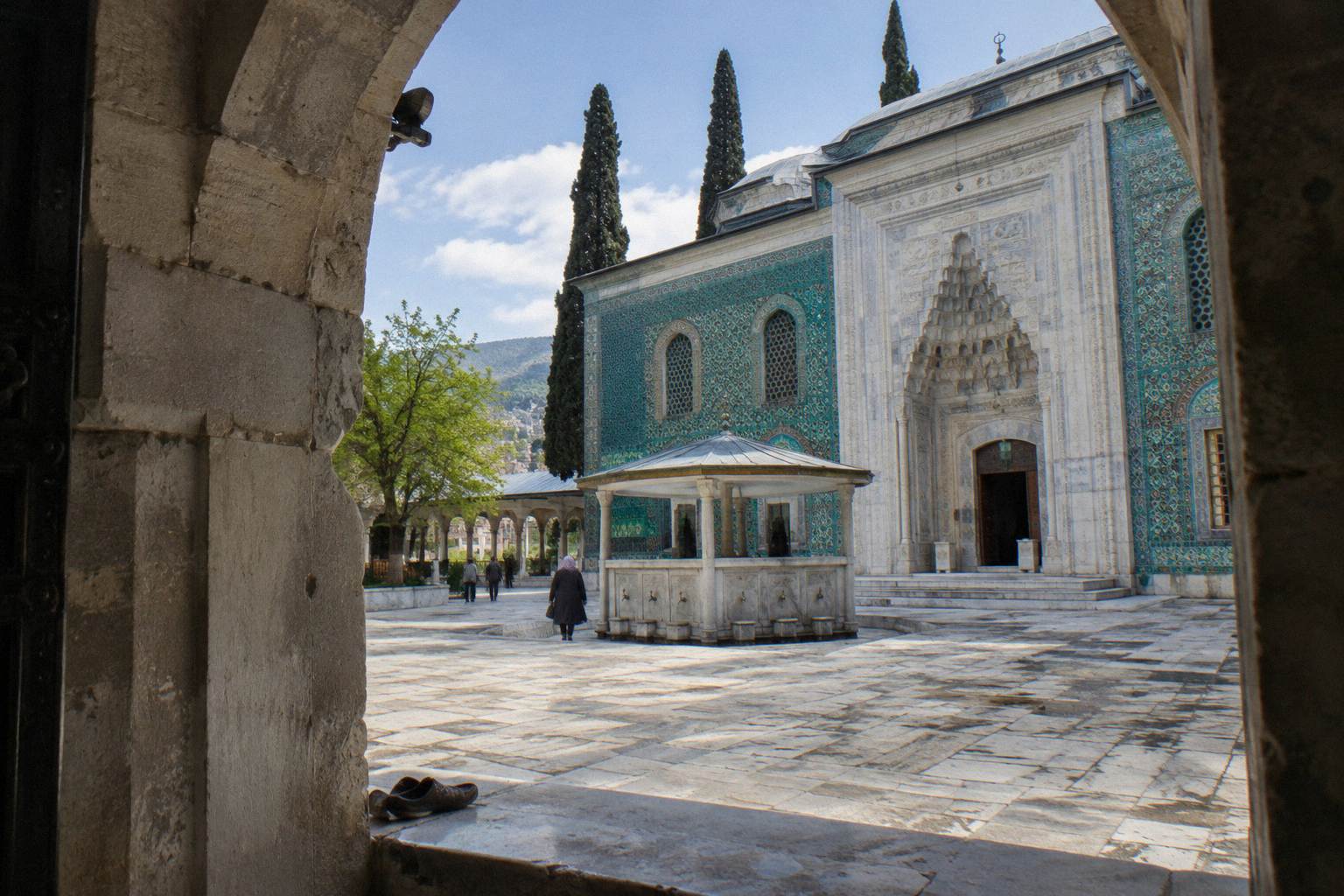
The Green Mosque, Yesil Cami, was built in 1419 by Celebi Sultan Mehmed to a design by the architect Haci Ivaz Pasa, on an inverted-T plan with interior walls, ceilings and passages covered in tile. The Green Tomb beside it, Yesil Turbe, was built in 1421 for the same sultan, the ruler regarded as the second founder of the Ottoman state.
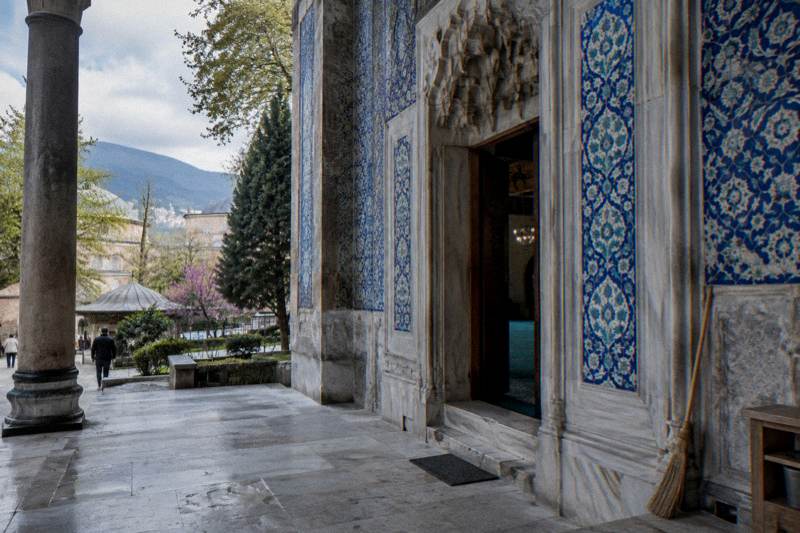
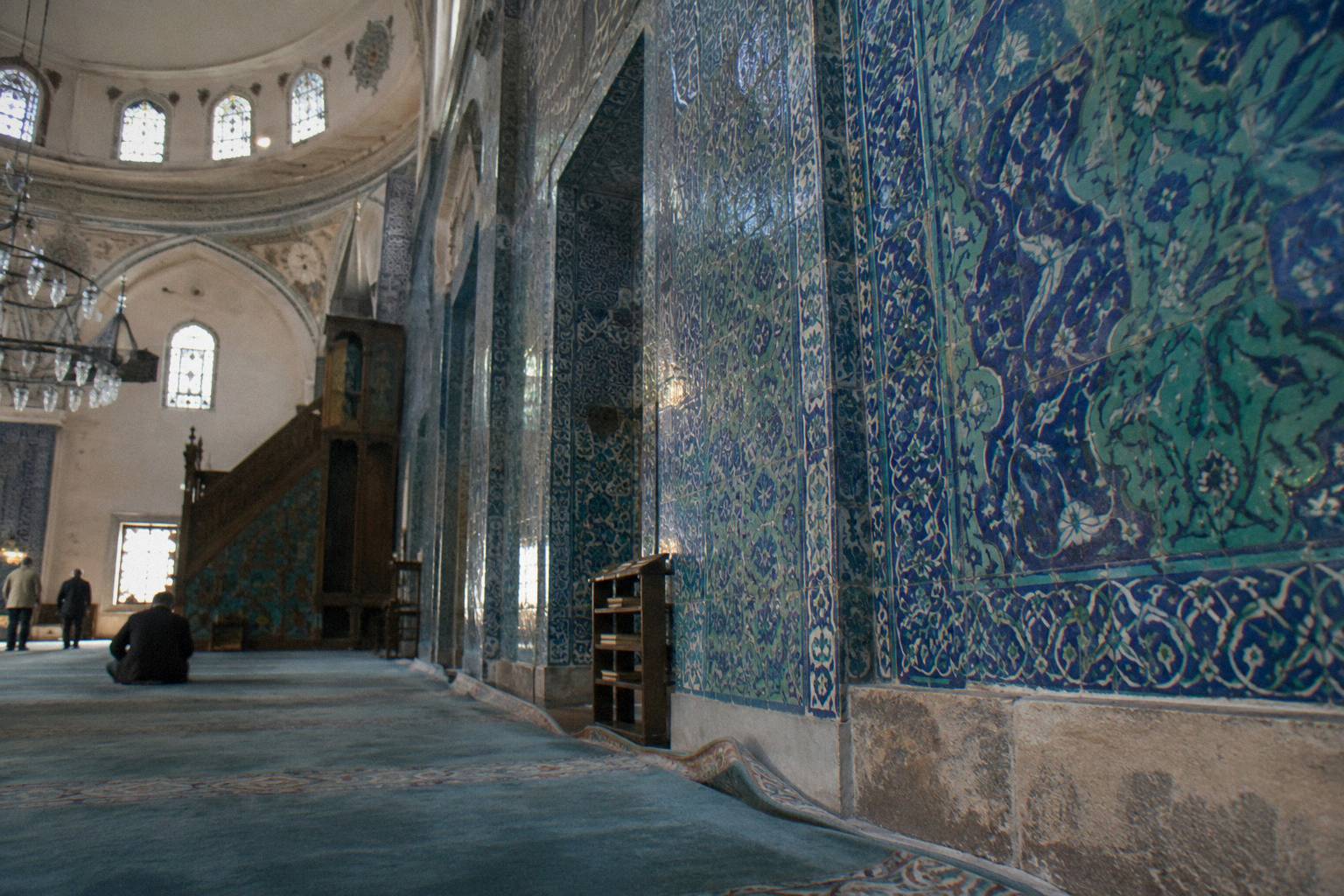
The mosque is the work that gives the whole district its name. Yesil means green in Turkish, and the building's tile revetments, in shades of green, turquoise and blue, cover the mihrab, the walls and the passages between chambers. The mihrab alone stands over ten metres high, a single composition in tile rather than stone carving, which is what sets this building apart from most earlier Ottoman mosques. The Ministry of Culture and Tourism's culture portal carries the full description in Turkish at its Yesil Cami page.
The craftsmanship has names attached. The tile work is credited to a master named Mecnun Mehmet, and the painted decoration to Nakkas Ali, so a visitor standing in front of the mihrab is looking at the output of two identified workshops rather than anonymous builders. Celebi Sultan Mehmed had the mosque built as part of his building programme for the state he consolidated, and the building's plan, an inverted T, follows the early Ottoman Bursa tradition: a central hall flanked by side chambers, rather than the columned prayer halls of later imperial mosques in Istanbul.
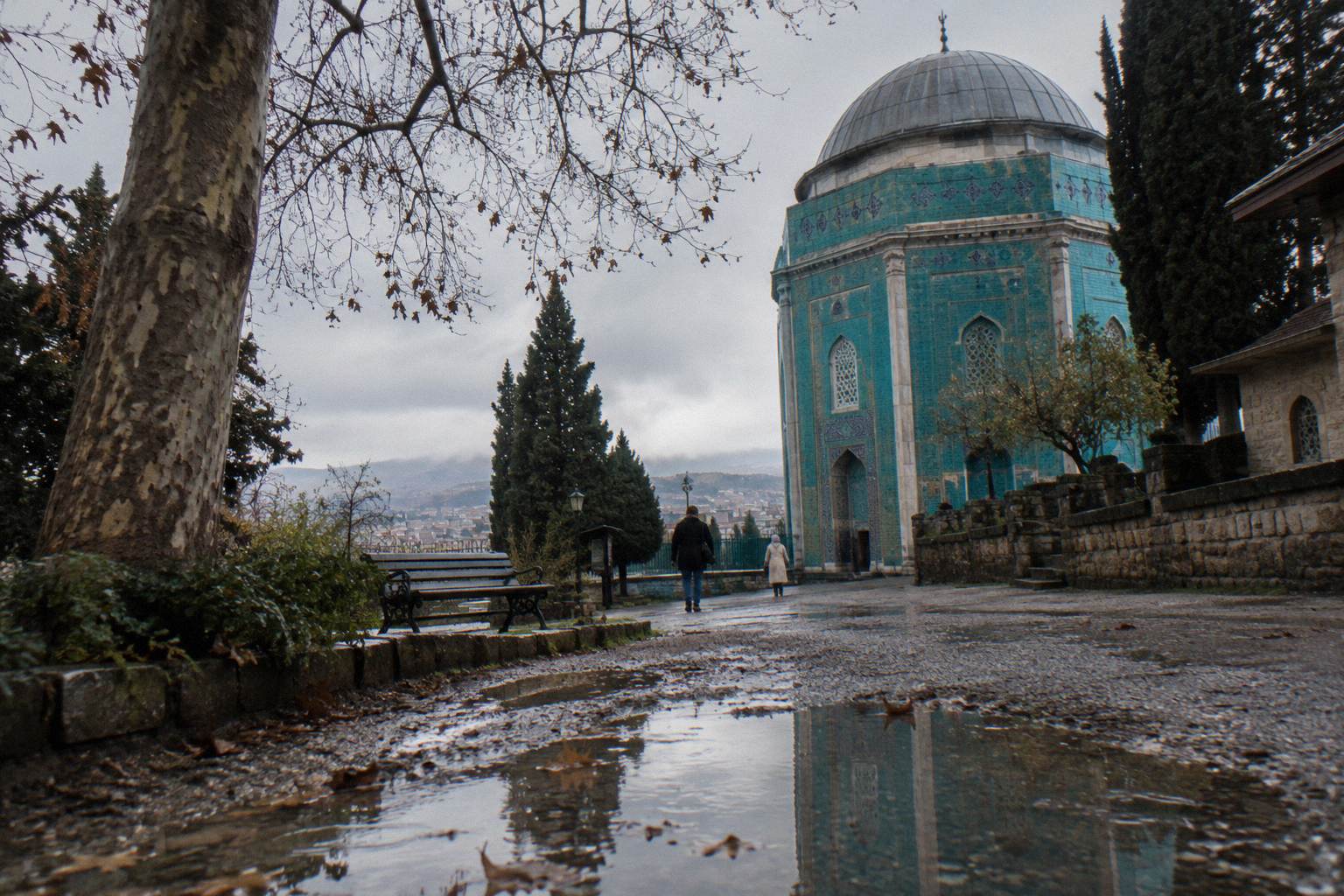
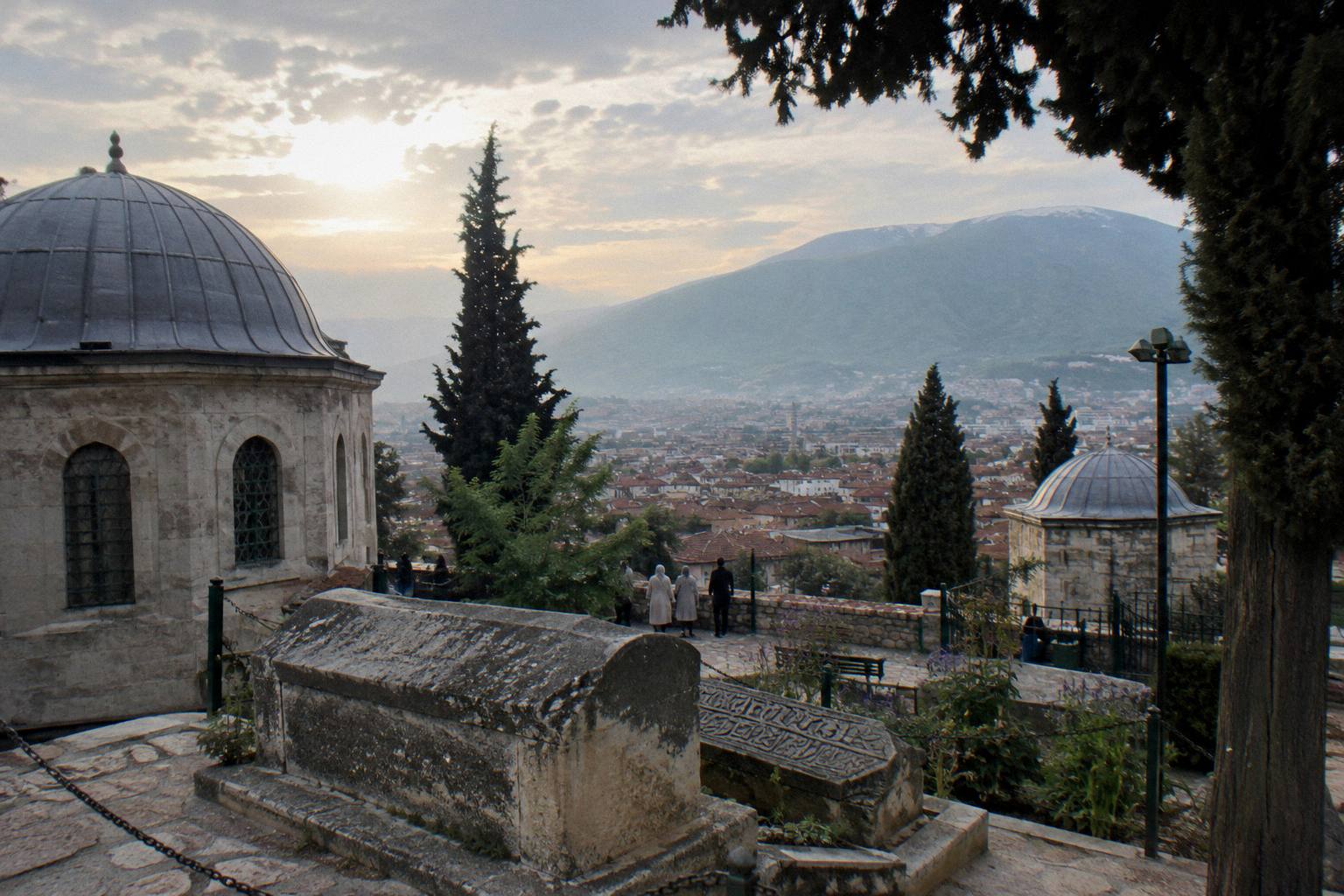
The Green Tomb sits higher than the mosque, on the slope above it, and the two were conceived as one ensemble. Its exterior carries the green and turquoise tile reliefs that gave it its name, and the interior continues the same programme. The sultan's story gives the tomb a particular poignancy: he was buried there 80 days after construction began, with the tomb finished 40 days before his death, meaning the building was effectively his deathbed project. Several of his children and his nurses are also buried inside. The culture portal's page on the Yesil Turbe (in Turkish) holds these details.
| Building | Built | Ordered By | Architect / Masters | What Is Known |
|---|---|---|---|---|
| Green Mosque (Yesil Cami) | 1419 | Celebi Sultan Mehmed | Haci Ivaz Pasa; tile by Mecnun Mehmet, decoration by Nakkas Ali | Inverted-T plan; tile mihrab over ten metres high |
| Green Tomb (Yesil Turbe) | 1421 | Built for Celebi Mehmed | Not mentioned | Green and turquoise tile reliefs; stands higher than the mosque |
| Sultan's burial | 1421 | Celebi Mehmed | Not mentioned | Buried 80 days after construction began; tomb finished 40 days before his death |
The Yesil complex is one of the components of the UNESCO World Heritage property "Bursa and Cumalıkızık: the Birth of the Ottoman Empire", inscribed in 2014, alongside the khans area around the Orhan Gazi complex, the Yildirim complex, the Muradiye complex and Cumalıkızık village. A guided day that stops here is therefore touching one of the property's core components; the Ministry of Culture and Tourism portal documents the component complexes in Turkish.
Which Guided Days Include The Green Complex
Three shared days present themselves as Green Bursa trips: the 8-hour guided day with lunch from U Can Travel, the 13-hour Green Bursa Plus Uludag day from Funland Travel, and the 14-hour shared Green Bursa day from Travel Story. Their titles and trip lines name the Green Bursa programme, but the exact stop list is not itemised, so ask the operator to confirm the Yesil Cami and Green Tomb are on it.
The connection between "Green Bursa" and the Yesil complex needs one caution. The phrase is used by operators for the whole heritage side of a Bursa day, and the Green Mosque and Green Tomb are the obvious anchor of that name, but a title alone is not a stop list. Before booking any of the three, ask the operator directly whether the Yesil Cami and the Yesil Turbe are visited, and how long the stop runs, because that detail is not printed on any of the trip lines covered here.
The shortest of the three is the 8-hour guided day with lunch from U Can Travel İstanbul, priced from €60 per person, with fewer than 20 reviews so far. It lists lunch, pickup and drop-off, all transportation, an English-speaking guide (Arabic is also offered), and a one-way cable car ride as included, with drinks at lunch excluded. At 8 hours it is the shortest day of any kind covered here, and its length suggests a city-focused programme rather than a mountain day, which makes it the natural candidate for a traveller whose priority is the Yesil hill. Check availability for the stop list.
The Funland day runs 13 hours, is priced from €58 per person, and lists hotel pickup and drop-off from Taksim, lunch with one soft drink, and an English-speaking guide, with the cable car as an option chosen at booking rather than a promise. The Travel Story day runs 14 hours at from €35 per person, with hotel pickup from Sultanahmet, Taksim, Aksaray, Sirkeci and Şişli, lunch included, and activity fees excluded. Neither of these has accumulated enough reviews to print a rating; both offer free cancellation up to 24 hours before the start.
Beyond the three Green Bursa days, several other trips pair heritage stops with Cumalıkızık, the Ottoman village that is also a UNESCO property component. The 14 hour 30 minute heritage day with Cumalıkızık is priced from €95 per person and includes the cable car, lunch with a soft drink, and the village visit in its programme. Whether it also stops at the Yesil complex is a question for the operator; the same applies to the Dreampath day described further down.
How The Heritage Days Compare By Price And Length
Across the six shared days that carry the heritage side of Bursa, durations run from 8 hours to 14 hours 30 minutes and prices from €35 to €95 per person, with lunch included on all of them. The cable car is the biggest swing: included on some, a booking option on others, and paid on top on the rest.
The table below sets out the six trips side by side. All six list free cancellation up to 24 hours before the start, and all six include lunch, so the real differences are length, price and what happens with the cable car. A traveller choosing on the Green Mosque alone can treat the mountain column as noise; a traveller who wants both the Yesil hill and Uludağ should read it carefully.
| Trip | Duration | Price | Cable Car | Lunch | Reviews |
|---|---|---|---|---|---|
| 8-Hour Guided Tour, Lunch Included (U Can Travel) | 8 hours | from €60 per person | Included, one way | Included | Fewer than 20 reviews |
| Green Bursa Plus Uludag, Pickup (Funland Travel) | 13 hours | from €58 per person | Option chosen at booking | Included, with one soft drink | Fewer than 20 reviews |
| Shared Green Day, Pickup Included (Travel Story) | 14 hours | from €35 per person | Not mentioned | Included | Fewer than 20 reviews |
| Heritage And Cumalikizik Full Day | 14 hours 30 minutes | from €95 per person | Included | Included, with one soft drink | Fewer than 20 reviews |
| Cumalikizik And Uludag, Ottoman Focus (Dreampath) | 12 to 14 hours | from €80.75 per person | Included, round trip | Included, with one soft drink | No reviews yet |
| Roman, Ottoman, Byzantine Combo (Abrakadabra) | 12 hours | from €70 per person | Paid on top | Included, drinks excluded | 4.6 from 23 reviews |
Two of the six have printable review histories at a scale worth weighing. The Abrakadabra "Roman, Ottoman, Byzantine Combo" carries 4.6 from 23 reviews and is the one trip here that adds İznik, taken by the Ottomans in 1331, to the Bursa programme; it runs in English, costs from €70 per person, and leaves the cable car as an extra. The other four have review counts too small to print a rating for, which is not a mark against them; it simply means the decision rests on the itinerary and the price.
The general question of which kind of day suits which traveller is covered in which Bursa day to pick, group, private or combo; the rest of the comparison here stays on the Green Mosque and what surrounds it.
What A Guide Adds At The Green Complex
A guide earns their place at the Yesil complex faster than almost anywhere else in Bursa, because the mosque's meaning is carried in tilework rather than in signage. The mihrab's masters, the inverted-T plan, and the story of a sultan buried in a tomb finished weeks before his death are all invisible without someone to point at them.
Consider what an unguided visitor actually sees. A dark prayer hall with green tile. A tall niche. A domed tomb up the hill with a patterned exterior. Nothing in that inventory explains why this complex is a UNESCO component, why the mihrab is exceptional, or who Celebi Mehmed was. The building has no interpretive signage adequate to its content, and photography inside active mosques is governed by the worshippers present, not by a museum's rules.
A guide supplies the three layers the stones cannot. First, the construction story: 1419, Celebi Sultan Mehmed, the architect Haci Ivaz Pasa, and the workshops of Mecnun Mehmet and Nakkas Ali. Second, the funerary story: the tomb of 1421, the sultan buried 80 days after work began, the completion 40 days before his death, the children and nurses interred alongside him. Third, the liturgical frame: what the mihrab marks, why the plan repeats the early Bursa type, and how this mosque points toward the great Istanbul mosques of a century later.
The 8-hour guided day lists an English-speaking guide in its inclusions, with Arabic also offered, which is the clearest match for a visitor whose whole reason for the day is the Yesil hill. The Funland and Abrakadabra days also list English-speaking guides; the Travel Story day offers guiding in English, Arabic and Turkish. For the cumulative question of what the whole guided day delivers, see whether a guided Bursa day is worth it.
The Green Tomb: The Story The Tiles Tell
The Green Tomb was built in 1421 for Celebi Mehmed, the sultan regarded as the second founder of the Ottoman state, and its green and turquoise tile reliefs give the building its name. It stands higher than the Green Mosque on the same slope, and several of the sultan's children and nurses are buried there with him.
The dates in the tomb's history compress a whole reign into weeks. Construction began, and 80 days later the sultan was dead and buried inside; the tomb itself was completed 40 days before that, meaning Celebi Mehmed knew he was dying while his mausoleum rose around him. A guide who tells this at the door changes the visit entirely: the building stops being a handsome tiled cylinder and becomes a documented deathbed project.
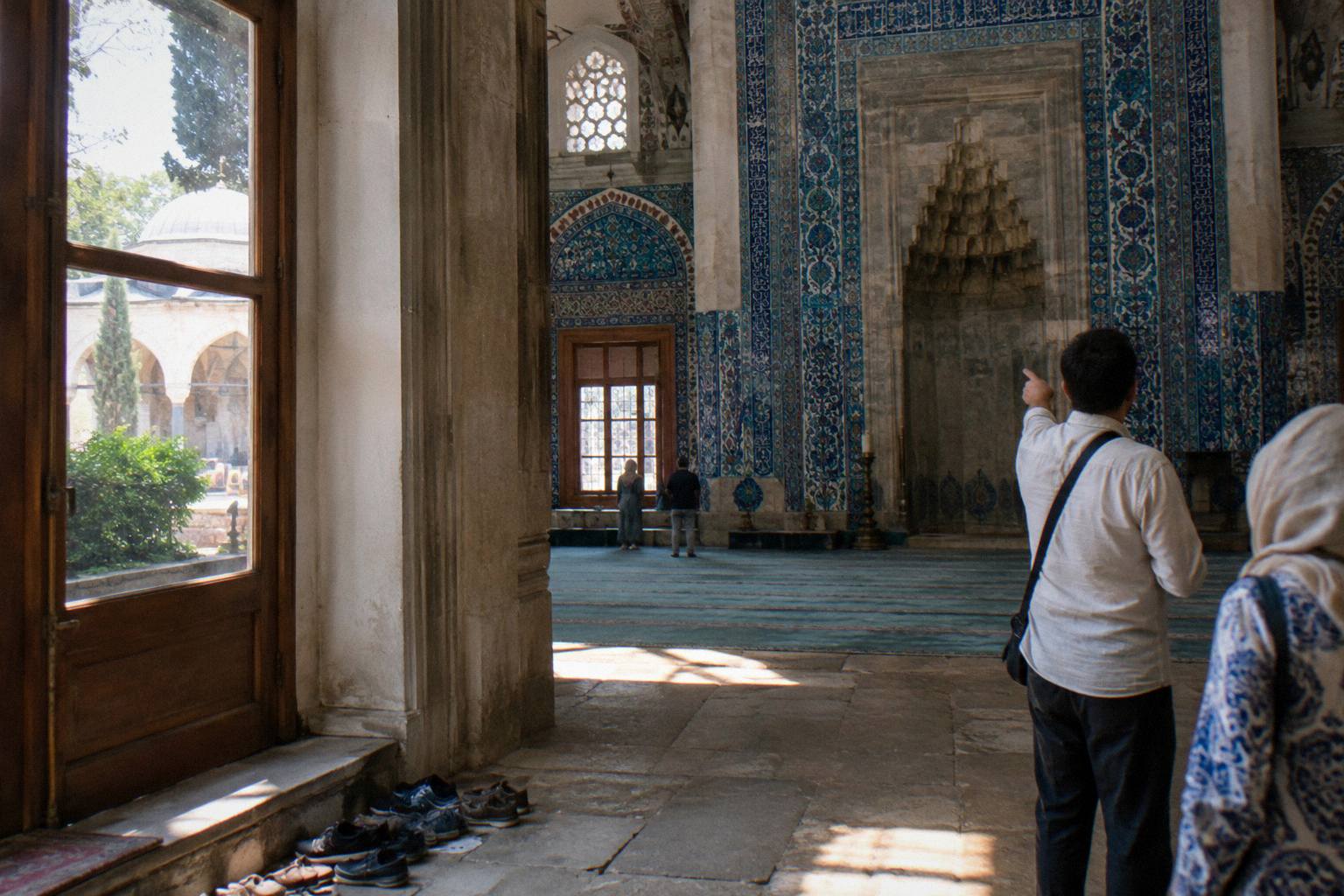
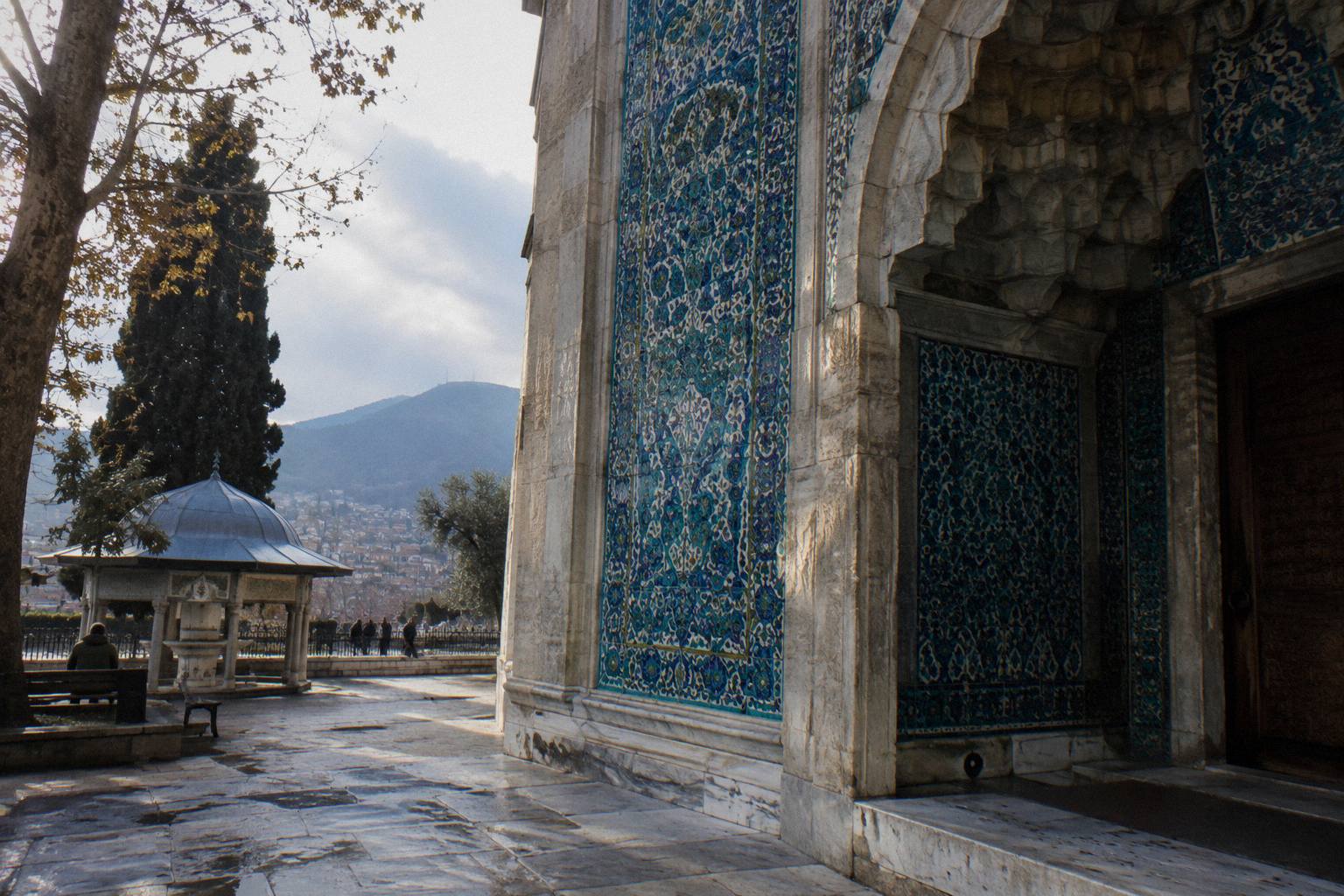
The tile reliefs on the exterior are the reason for the name. Green and turquoise, set into the stonework, they echo the interior palette of the mosque below, binding the two buildings into one visual ensemble. Inside, the burials extend beyond the sultan himself to several of his children and his nurses, an arrangement that reads as a family vault rather than a lone ruler's monument.
Which trips actually stop here is, again, a question the trip lines do not answer in detail. The three Green Bursa days by title are the strongest candidates; the Cumalıkızık-focused days concentrate on the village at the foot of Uludağ instead. Ask the operator to confirm the tomb is on the route, since the mosque and the tomb sit close enough together that a stop at one usually allows the other, but not always with time to enter both. The neighbouring Tophane stop, the tombs of Osman and Orhan Gazi, is covered in the tombs of Osman and Orhan Gazi on a guided day.
| Green Tomb Fact | Detail |
|---|---|
| Built | 1421 |
| Built For | Celebi Mehmed, regarded as the second founder of the Ottoman state |
| Name | From its green and turquoise tile reliefs |
| Position | Stands higher than the Green Mosque |
| Sultan's Burial | 80 days after construction began; tomb finished 40 days before his death |
| Other Burials | Several of his children and nurses |
The tomb also gives the lie to a common assumption. The Green Tomb is not on most group-day itineraries as a long, lingering visit; it is typically a shorter stop paired with the mosque, and its content is exactly the kind that a guide unpacks in five minutes at the doorway. Travellers who want more than a photo of the tiled exterior should say so when booking, or choose the shortest heritage day, where the city stops carry the whole programme.
Visiting As Active Places Of Worship
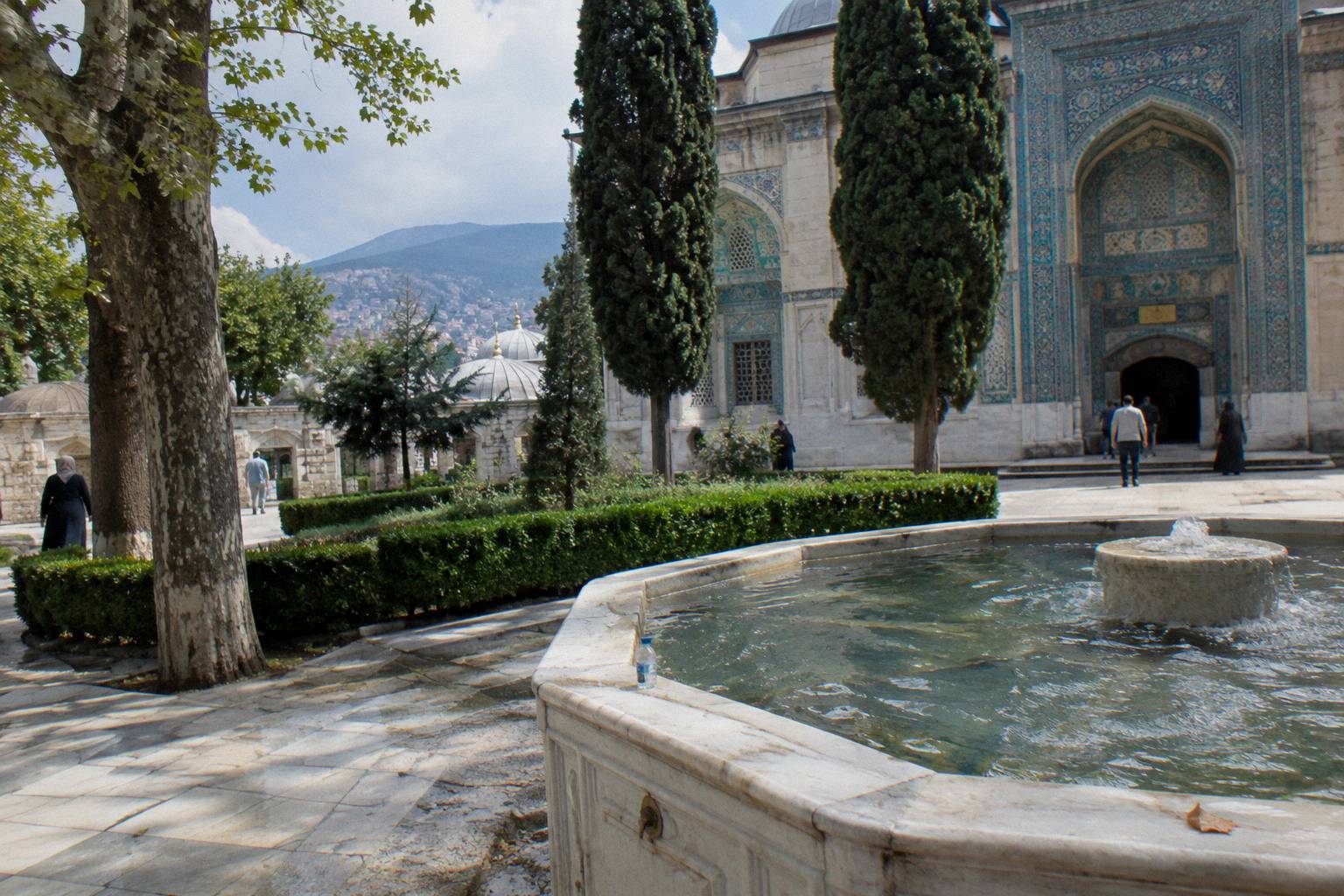
Both the Green Mosque and the Green Tomb are active places of worship, and the general rule covers them: dress modestly, and expect that visits can pause around prayer times. No fee, hours or dress code is published here as official, because none is claimed for these buildings on the trip lines.
The practical translation is simple. Shoulders and knees covered for everyone; a head covering for women at the mosque, which most group guides carry spares of; shoes off on carpet inside the prayer hall. A visit timed against a prayer window may be shortened or held at the doorway while the congregation prays, and this happens on guided days exactly as it does on independent visits.
For the wider picture of what to bring and wear across a day that mixes mosque stops with a mountain top, the piece on what to wear on a Bursa day with mosque visits and a mountain stop covers the whole wardrobe question; the mountain half of the day is markedly colder and windier than the city, which is why warm layers matter outside summer.
The tomb follows the same norms as the mosque, though it functions as a mausoleum rather than a congregational space. Quiet, modest dress, and no flash photography around anyone praying are the working rules on every account of visits here. The full order of a typical day, from morning pickup through the city stops to the return to Istanbul in the evening, is set out in what you see on a Bursa day, every stop in order; the Green Complex sits in the middle block of that sequence, between the old market and lunch on most operators' telling.
How The Stop Fits A Long Day
A guided Bursa day from Istanbul runs 8 to 14 hours 30 minutes depending on the trip, with the Yesil stop typically sitting in the city block between arrival and lunch. The 8-hour guided day is the choice that gives the city stops the whole day; the longer days split the time with Uludağ and the cable car.
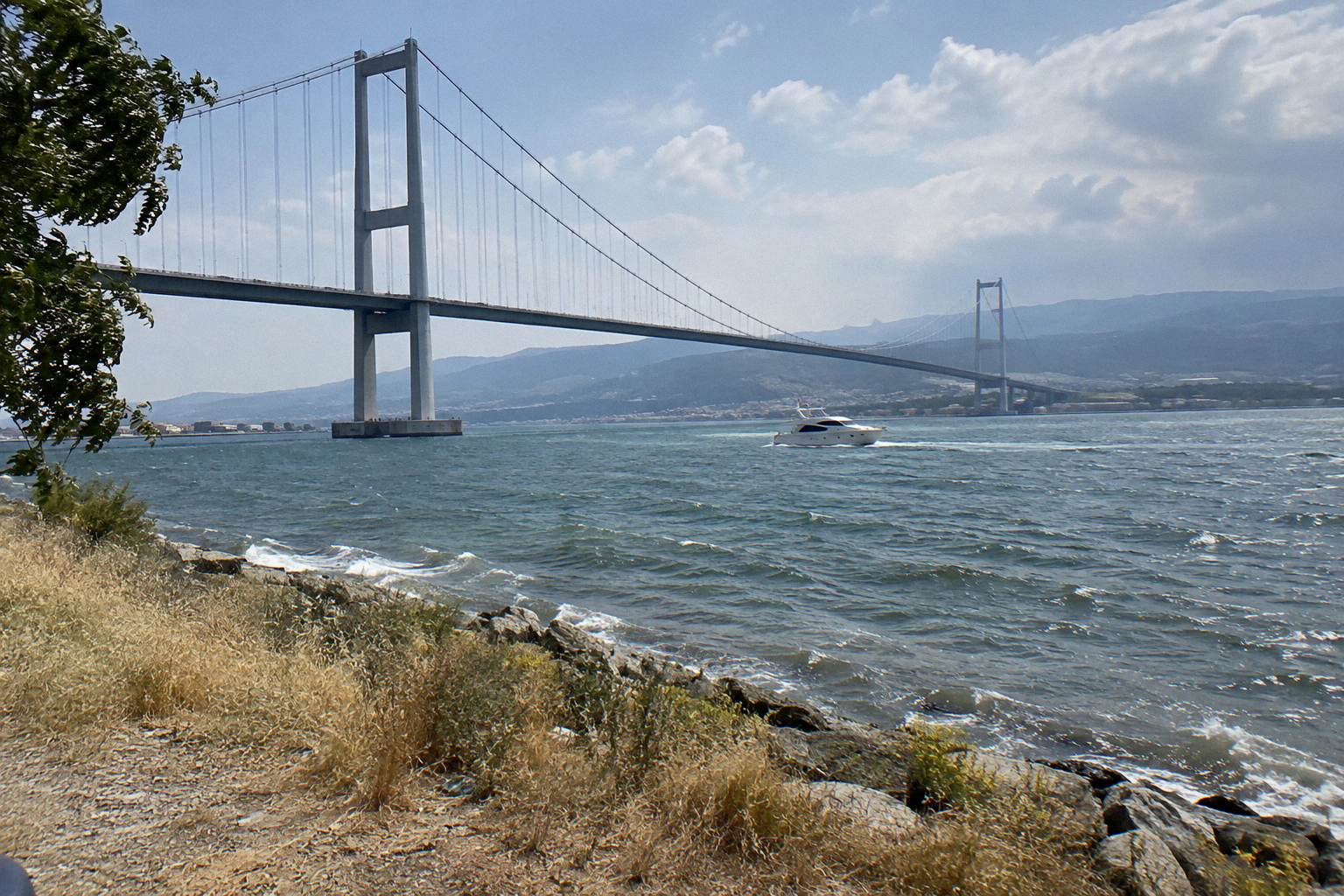
The shape of the longer days is well established. Operators describe a typical order of morning pickup in Istanbul, a crossing by ferry or over the Osmangazi Bridge, the Tophane tombs, the Green Complex and the old market, lunch, then Uludağ and the return in the evening, though the order varies by operator. The Yesil stop therefore lands late morning in most versions, and its length is whatever the schedule allows after the pickup run, which on a 13 or 14 hour day is usually enough for the mosque and a look at the tomb.
The crossing itself shapes the day. Istanbul to Bursa is roughly 150 km by road, about two hours each way in normal traffic, and some trips take the car ferry across the Marmara instead; the choice between ferry and the Osmangazi Bridge is made by the operator by traffic on the days that list both. How that decision plays out is covered in ferry or Osmangazi Bridge, how days leave Istanbul.
Two related stops deserve a mention because they sit inside the same city block. The Grand Mosque, Ulu Cami, and what its stop covers explains the great congregational mosque beside Koza Han in the old market quarter, and the Koza Han piece covers the silk han built by Bayezid II in 1490-91. A traveller choosing a day for the Green Mosque will usually get at least one of those on the same programme.
The trade-off to hold in mind is duration against depth. The 14 hour 30 minute heritage day (from €95 per person) has the most hours and the widest programme, with Cumalıkızık and the cable car both in the price. The 8-hour day (from €60 per person) has the fewest hours but hands all of them to the city. For a visitor whose target is specifically the tile mihrab and the tomb above it, the shorter day is the sharper instrument; for a visitor who wants the mosque and the mountain in one trip, the longer Green Bursa days with the cable car as an option do that job, with the ride a booking choice rather than a promise, since the cable car can stop for wind, fog or maintenance.
Common Questions About The Green Mosque And Green Tomb
Is The Green Mosque Part Of The UNESCO World Heritage Property?
Yes. The Yesil (Mehmed I) complex is one of the components of "Bursa and Cumalıkızık: the Birth of the Ottoman Empire", inscribed on the UNESCO World Heritage List in 2014. The Green Tomb belongs to the same complex. Uludağ, the cable car and İskender kebab are not part of the property.
Which Guided Days From Istanbul Include The Green Mosque?
Three shared days present themselves as Green Bursa trips: the 8-hour guided day with lunch (from €60 per person), the 13-hour Green Bursa Plus Uludag day (from €58 per person) and the 14-hour shared Green Bursa day (from €35 per person). Their stop lists are not itemised, so ask the operator to confirm the Yesil Cami and Green Tomb are visited.
Is There An Entry Fee For The Green Mosque Or Green Tomb?
No fee is printed here as official for either building. Both are active places of worship: the working rules are modest dress and the understanding that visits can pause around prayer times. Any stop arrangements on a guided day are the operator's to state.
How Old Are The Green Mosque And The Green Tomb?
The Green Mosque was built in 1419 by Celebi Sultan Mehmed, to a design by the architect Haci Ivaz Pasa, with tile work credited to Mecnun Mehmet. The Green Tomb was built in 1421 for the same sultan, who was buried there 80 days after construction began.
Can You Visit The Green Mosque And Green Tomb On Your Own?
Yes, both can be visited independently in the Yesil district, and the two sit on the same slope within a short walk of each other, the tomb standing higher than the mosque. What a guided day adds is the interpretation: the masters' names, the inverted-T plan and the story of the sultan's burial are not self-evident from the buildings alone.